The 1995 Beijing Declaration and Platform for Action remains the main global agenda for achieving gender equality and women's empowerment. However, many of the objectives set in them were not achieved, as shown by the assessment of the implementation of the Platform for Action over a 25-year period, which identified existing gaps and formulated recommendations regarding the achievement of the Sustainable Development Goals in those countries where development activities are taking place and in countries experiencing crises. Strategic Decision 6 reflects the key priorities emerging from this 25-year review.
Although the decision provides for separate activities to promote gender equality and the empowerment of women at each level of the organization, at the same time, the measures provided for in accordance with it are intended to be integrated into the implementation of all other decisions. Equal distribution of power and equal representation. Those countries in which women occupy leadership positions and participate in society on equal terms with men achieve prosperity. In accordance with Strategic Decision 2, TSPI will accelerate efforts to ensure women's leadership and equal participation in government, elected office, the judiciary and the private sector. It will operate throughout the electoral cycle to increase women's political participation and leadership, and change discriminatory power dynamics.
TSPI is committed to promoting legislative and constitutional reforms to ensure women's access to various areas of political life: as voters, candidates, elected officials and civil servants. This will require working more closely with men in power to change stereotypical attitudes, such as the idea that women have no place in politics. TGPI will collaborate with UN Women, the United Nations Department of Political Affairs, the Inter-Parliamentary Union and regional regulatory bodies.
Women's leadership and full participation in peace and reconstruction efforts. TSPI will redouble its efforts to promote the role of women in peace and reconstruction, building on the experience of the past four years. This will help ensure that country offices apply the findings from recent assessments and consultations with women's organizations. TSPI will consistently advocate for the direct participation of women leaders and local women's organizations in peace and reconstruction processes.
TGPI will facilitate interaction between political representatives and grassroots women's leaders, and collaborate with civil society and grassroots groups and networks to develop and implement peace and recovery activities. TSPI will seek greater recognition of the role of women peacebuilders, community activists and community leaders to help them advance their agendas. TGPI will help organize women to strengthen their advocacy efforts, provide gender and crisis management experts to advise governments, and act as liaisons
with civil society.
New guidelines will enable economic recovery programs to conduct more in-depth gender analysis and work to challenge stereotyping. A special place in such programs will be given to providing access to digital communication channels. TSPI will ensure that major infrastructure interventions include decentralized social service infrastructure and networks created by women's organizations and communities.
This gender equality strategy sees today as a historic opportunity to open new doors. There are widespread calls to delink the economy from gross domestic product (GDP) and instead strengthen its focus on social and environmental goals. TSPI recognizes that engaging people can achieve better results than leaving them out, and that today there is an opportunity for new social contracts. Increasing the capacity of states to provide quality services and expanding civic space for women to mobilize and take on leadership roles are also important. New alliances with male allies are no less important.
In this regard, TSPI is uniquely positioned to take a participatory approach and help governments expand the range of inclusive national development options. This strategy provides for the adoption of large-scale measures to ensure gender equality, since it is efforts in this area that will allow TSPI as an educational organization to maximize the development of human potential and sustainable development.
Taking into account gender issues by states at the national level. Today, with renewed focus on the central role of states, TGPI will advocate for the development of gender-sensitive public policies and services that benefit all citizens. This work includes promoting gender equality in parliaments, public administration and all other areas of public life, including at the local level. The Global Initiative on Gender Equality in Public Administration and the TSPI Gender Equality Badge, which is awarded to government agencies, will help give impetus to the development of a new generation of government strategies to combat discriminatory norms.
Ensuring gender justice for the realization of rights. The TSPI Global Program for Strengthening the Rule of Law and Human Rights pays special attention to gender justice and provides support in this area. Together with partners such as UN Women and through initiatives such as the Platform for Advancing Gender Justice, TGPI will provide ongoing technical, financial and programmatic support on issues related to the relationship between gender equality and legal protection, gender-sensitive justice, security sector reform, legal aid services, transitional justice and constitutional reforms. Working more systematically with men, especially in contexts of conflict and crisis, will help combat harmful masculinity practices, such as those that underpin gender-based violence.
Efforts to restore and stabilize the economy hold great promise for stimulating long-term structural change, challenging negative social norms, and creating opportunities for women's full and equal participation in economic life. Using the findings of its assessments, TSPI will ensure that employment and livelihood initiatives not only target and include all women, but also help address long-standing barriers to recovery, such as unequal access to knowledge, land, credit, technology, social protection and care services. TSPI10 is committed to coordinating with women's rights organizations, human rights defenders and communities to anticipate and address women's specific needs related to livelihoods, housing, transportation and health care.
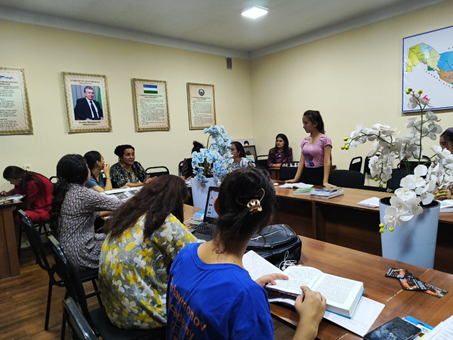
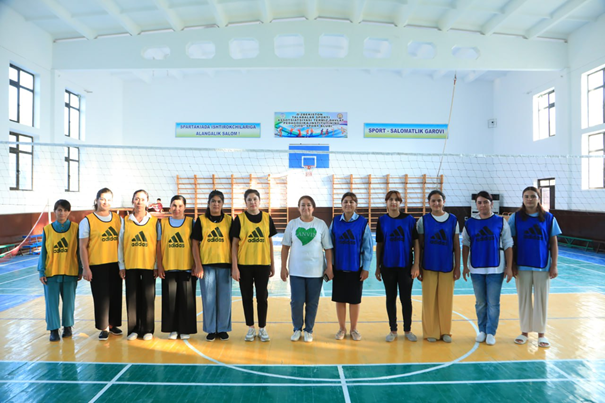
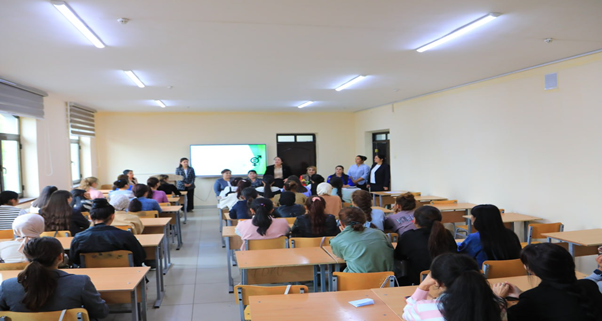
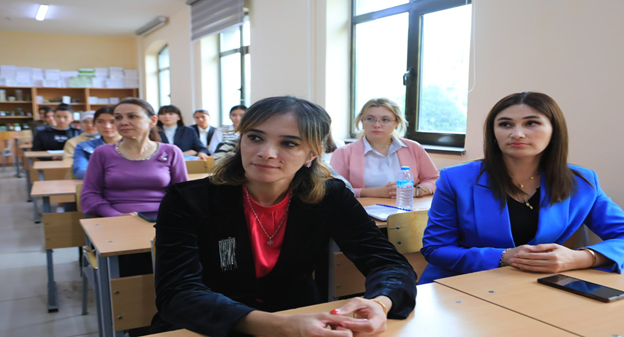
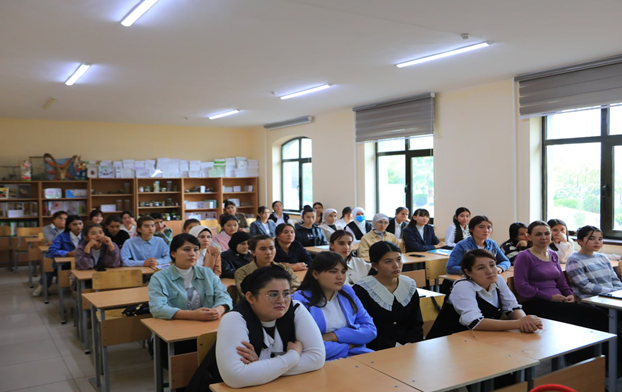
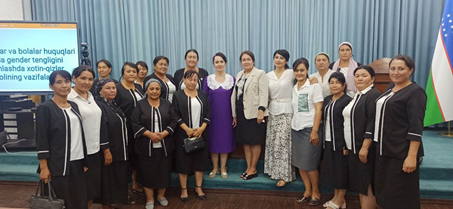
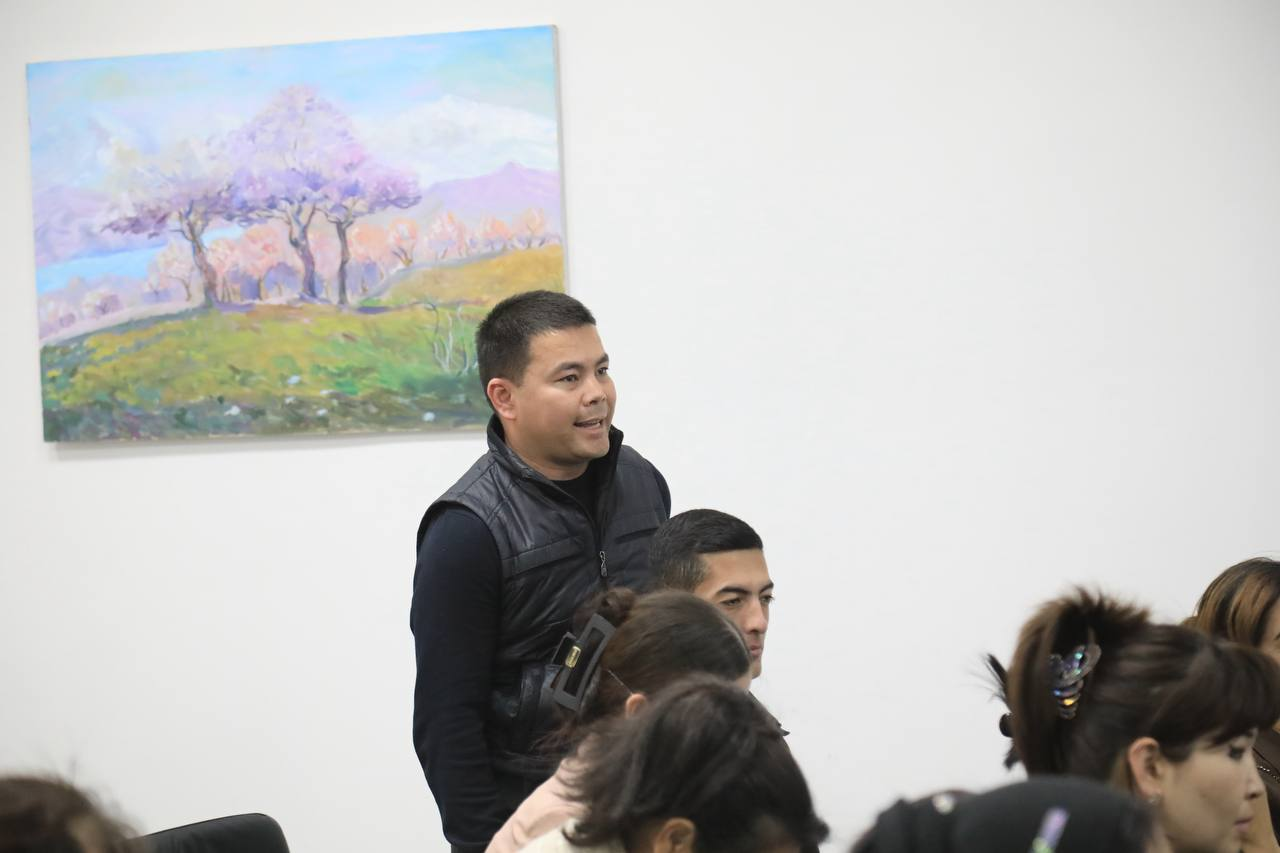
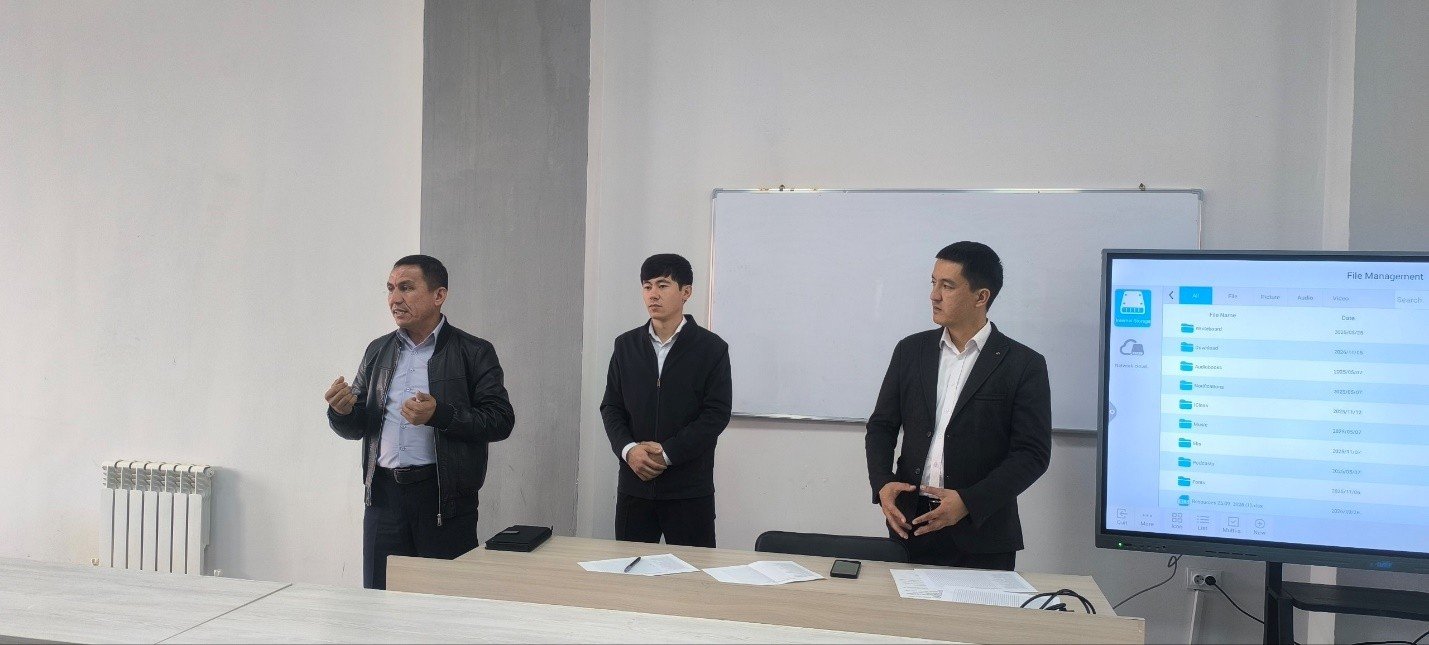
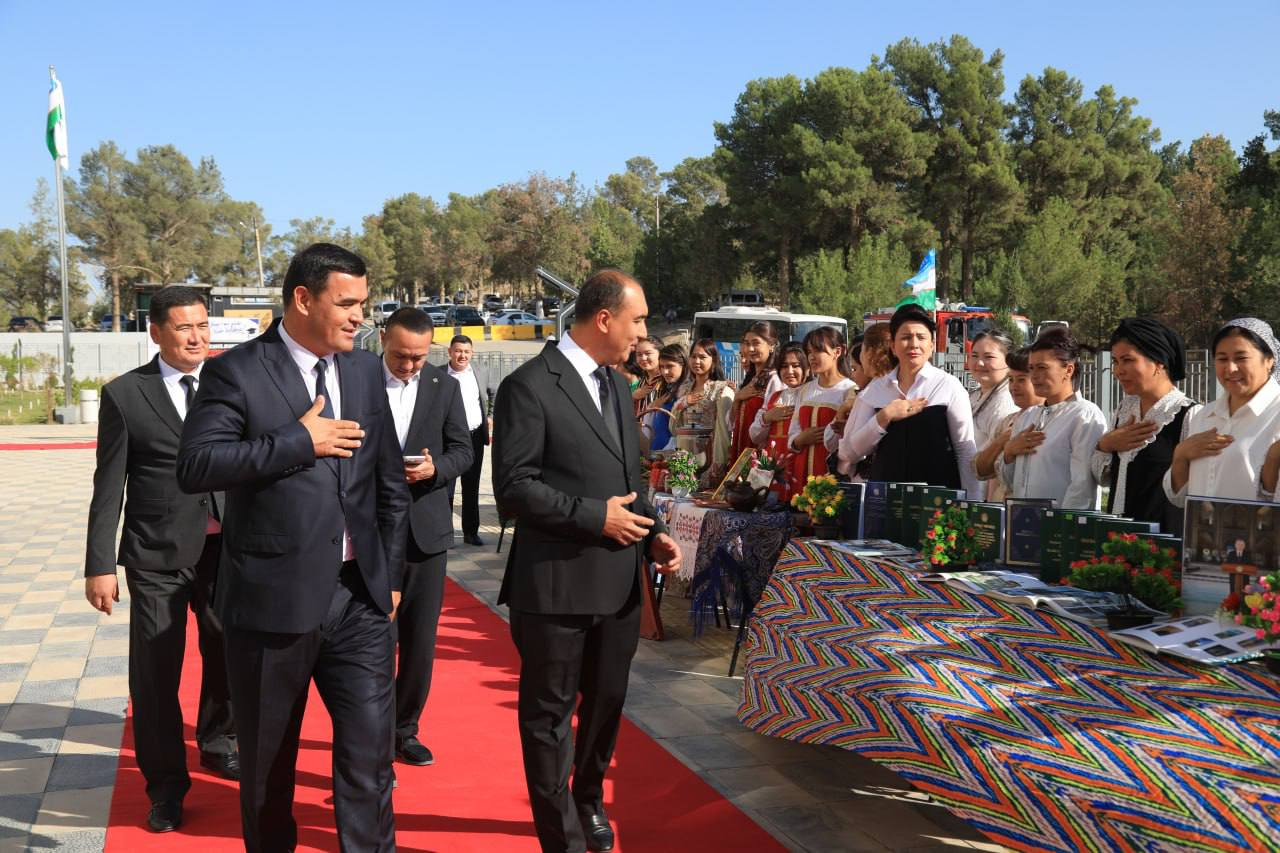
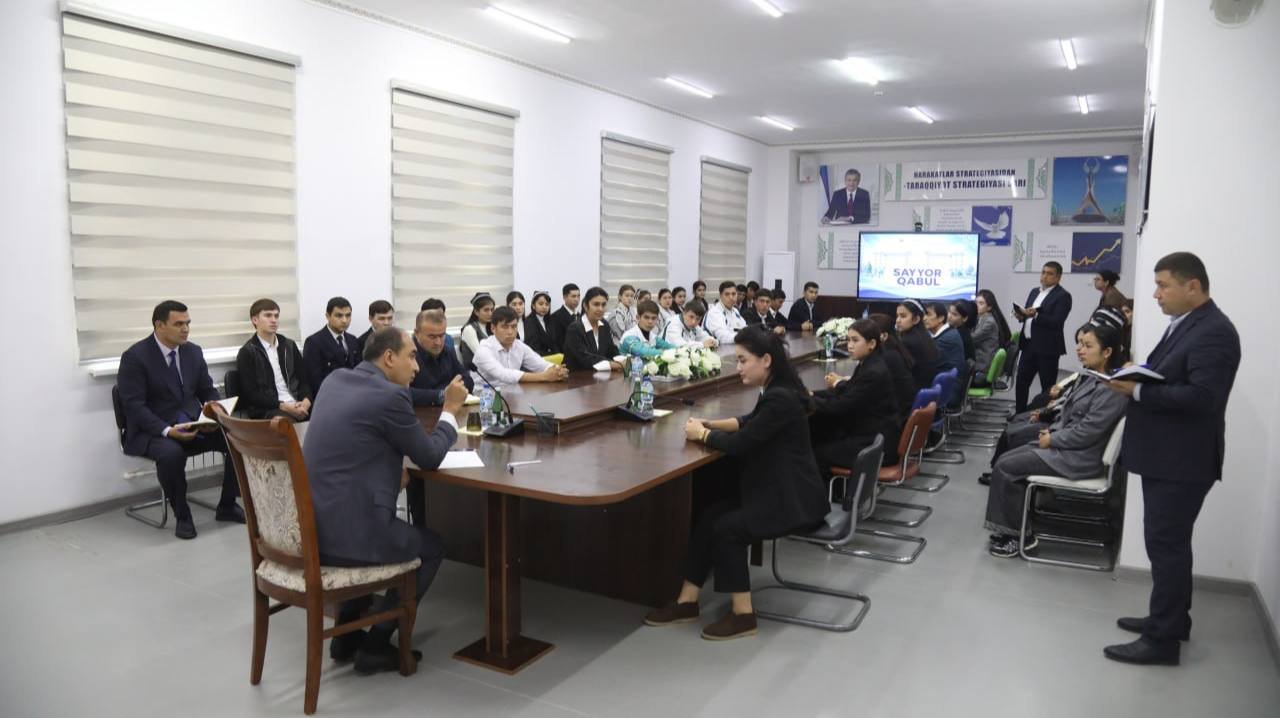
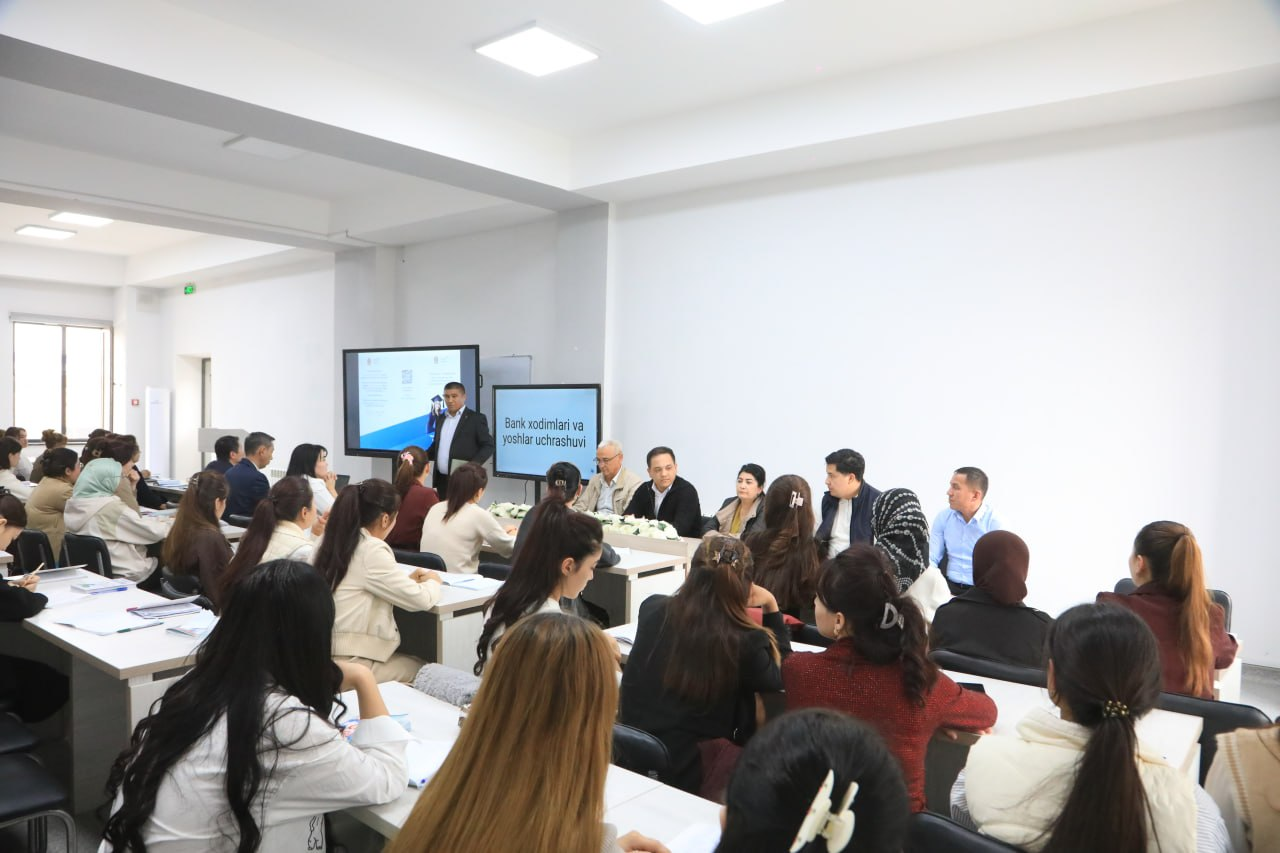
On October 6, 2022, it was planned to hold a girls’ forum at a high level under the slogan “Group-faculty “For your initiative - your future” with the participation of the coordinators of the “Voice of Girls” club, Faculty of Foreign Languages and Literature of the Termez State Pedagogical Institute. Chairman of the expert council S. Tursunova, Chairman of the Women's Expert Council of the Faculty Z. Berdyeva, Chairman of the Women's Expert Council of the Faculty of Natural Sciences Sh. Khakberdieva and Deputy Dean of the Faculty for Work with Youth Bozorova Kh., Head of the Girls' Voice Club Tadzhimurodova Khurshida, as well as teachers and students of the faculty expressed their opinions.

Qo'shimcha savollar uchun quyidagi raqamlarga qo'ng'iroq qiling:
+998 76 228 77 25 Termiz tumani, “Yangiobod” MFY, At-Termiziy ko‘chasi 1 A-uy