By student dormitory:
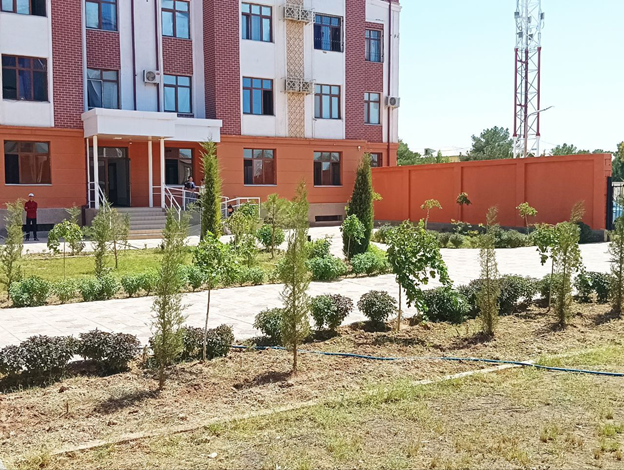
This year, along with the increase in the enrollment of young people with higher education at the institute, the need for dormitories is also increasing. The capacity of the student dormitory of the institute is designed for 200 places, and according to the Resolution of the Cabinet of Ministers of the Republic of Uzbekistan No. 605 dated September 24, 2021, the institute lives on a leasehold basis. in a house that is not closed by a dormitory and does not belong to oneself, including one’s parents (legal representatives). An additional 158 beds have been created for students by placing two-story dormitories; the student dormitory now has 358 beds. In addition, the institute’s student dormitory has a Wi-Fi zone.
Another student dormitory with 208 beds will be put into operation in the near future. 566 students are provided with dormitories, which is 21.2% of the total number of students.
Currently, 35 students living in a dormitory have a 100% discount on payment, 40 students have a 50% discount on payment.
Regarding issues of establishing the activities of tutors at the institute:
The institute operated a mentoring institute, which dealt with issues of spiritual and moral education of students. They did not have time to deal with the spiritual and pedagogical ethics of students.
After the introduction of tutoring, these issues began to be resolved. Ensure compliance with the resolution of the Cabinet of Ministers of the Republic of Uzbekistan dated September 9, 2021 No. 563 “On measures to increase the level of student placement in higher educational institutions of the republic” and the order of the Minister. Higher and secondary specialized education No. 390 dated September 13, 2021, hired 21 tutors.
In total, for the 2021/2022 academic year, the institute has 150 academic groups in 9 faculties, with 32 teachers selected and assigned to them. As a result, the institute has a representative who is constantly involved in the moral education of students.
The living conditions of all institute students living in rent are studied by group tutors and trainers and are divided into red, yellow and green zones. There are currently 126 students living in the yellow zone. 64 students lived in the red zone, of which 64 students were transferred to TTD and other rented housing, measures are being taken to relocate the remaining students from the yellow zone to a dormitory for 200 places at the Faculty of Preschool Education. and Yazykov, which is being built in January, and another green zone.
Currently, the institute consists of classrooms of the Information Resource Center (ARM) and an electronic library with a capacity of 100 seats. Today, the automated workplace has 1 network library (in the preschool education building). The information resource center has educational literature in 14,053 volumes and 1,453 titles in book form. If we analyze the reference literature on languages, then 5896 of them are written in Krill, 6756 in Latin, 1249 in Russian and 152 in Georgian. Conditions have been created for using the Wi-Fi zone, the educational portal “ZiyoNet”, and working with the websites of the institute and other universities. Direct access to portals and websites of higher and other educational institutions is possible. The ARMAT program is installed in the automated workplace, electronic literature in the automated workplace is 5002 copies. 8,499 educational literature were purchased based on the needs that emerged in 2021. Sponsors donated 300 books.
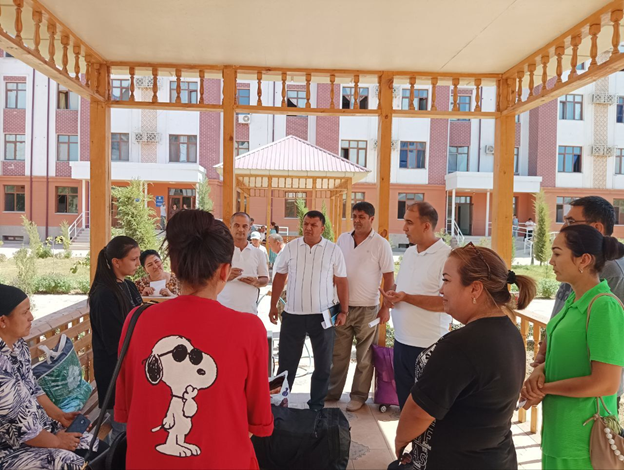
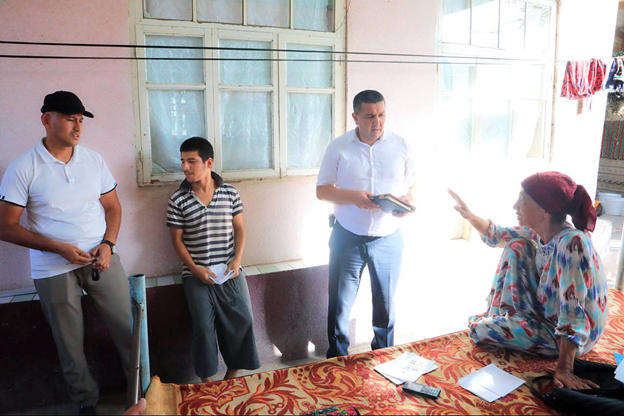
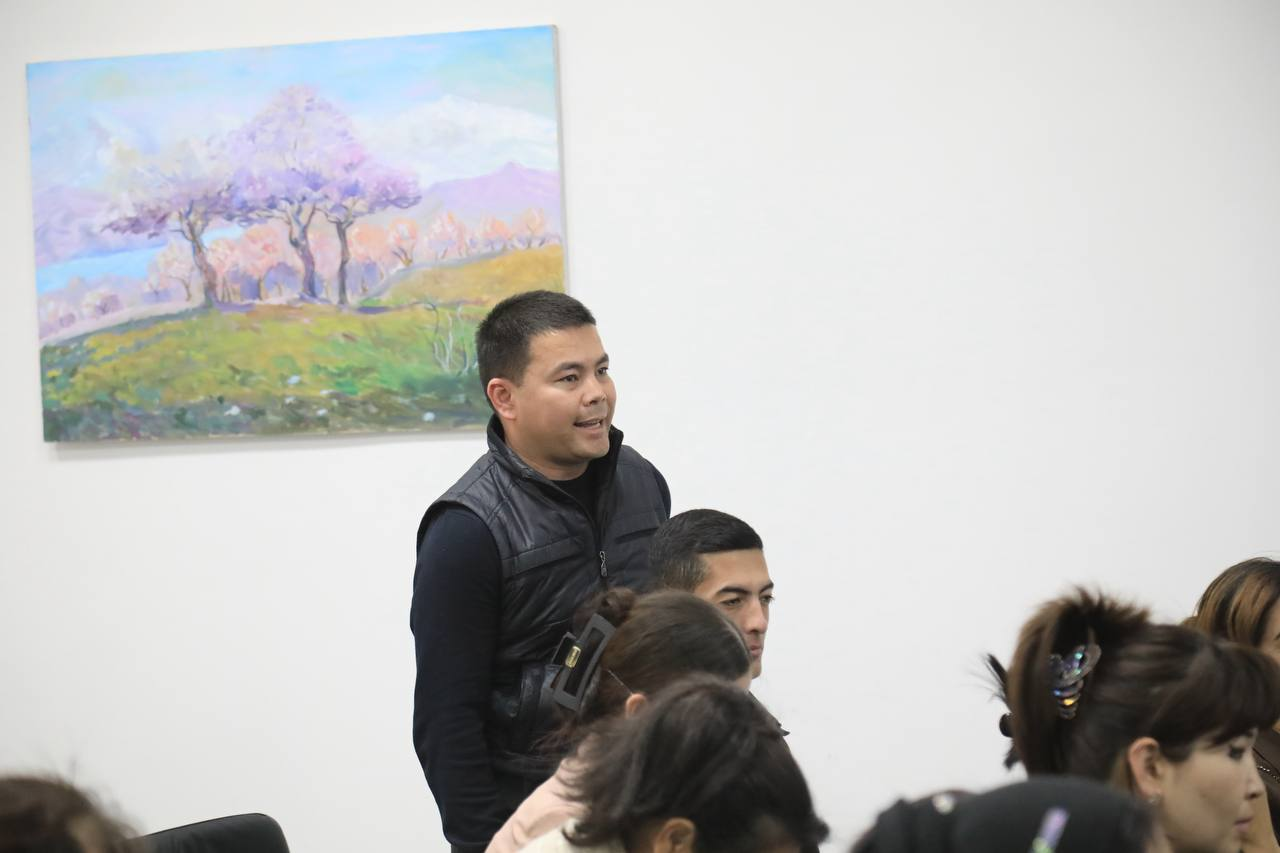
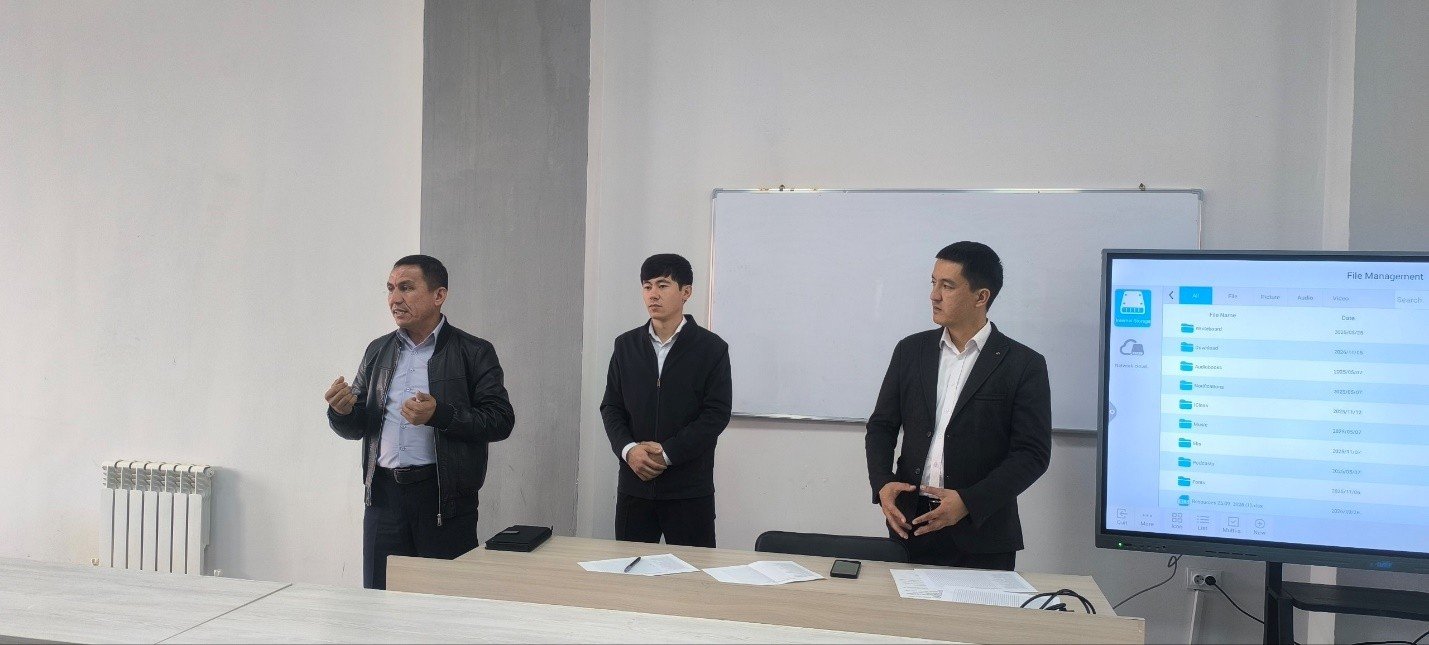
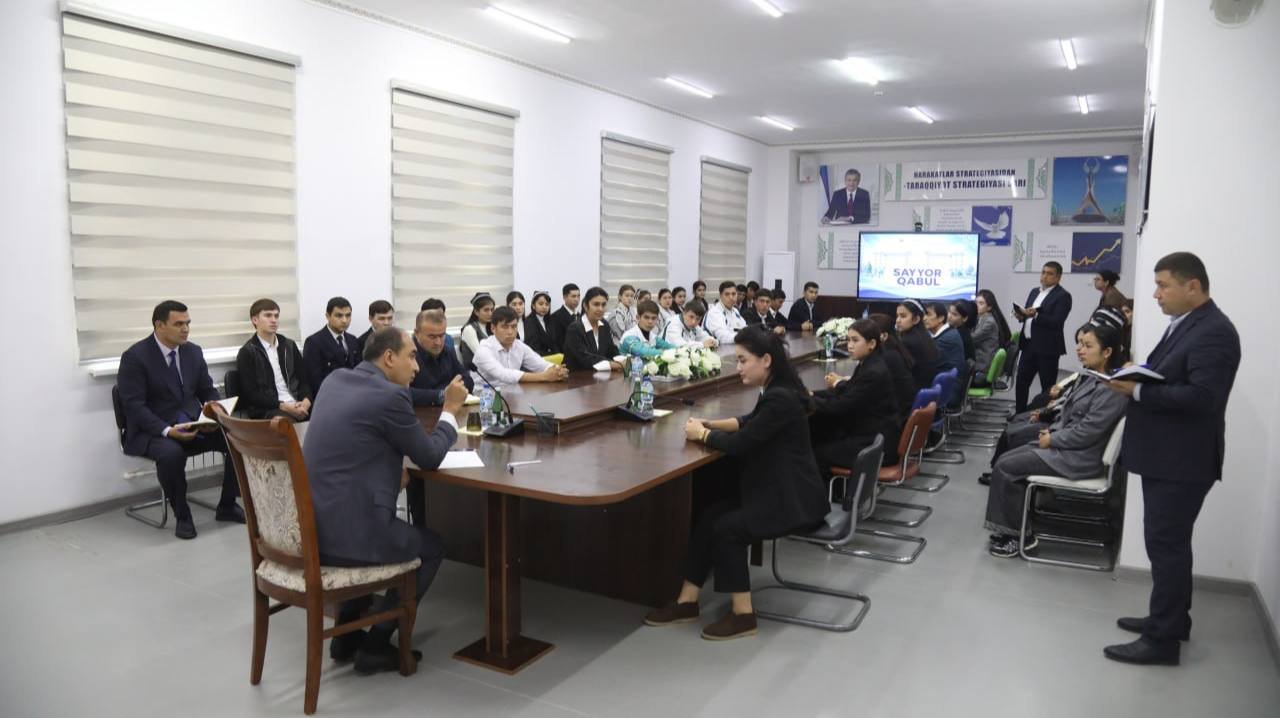
The process of providing hostel accommodation to students and informing parents about the accommodation. Under the leadership of the rector.
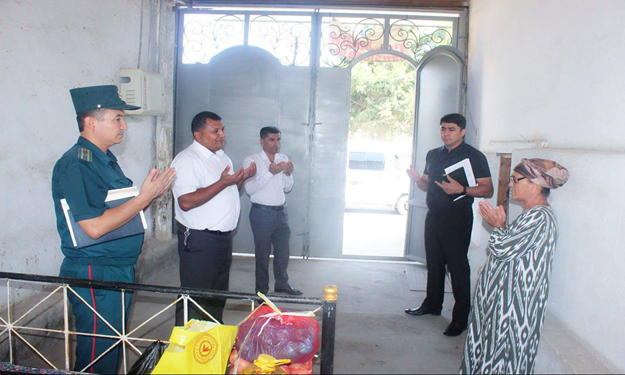
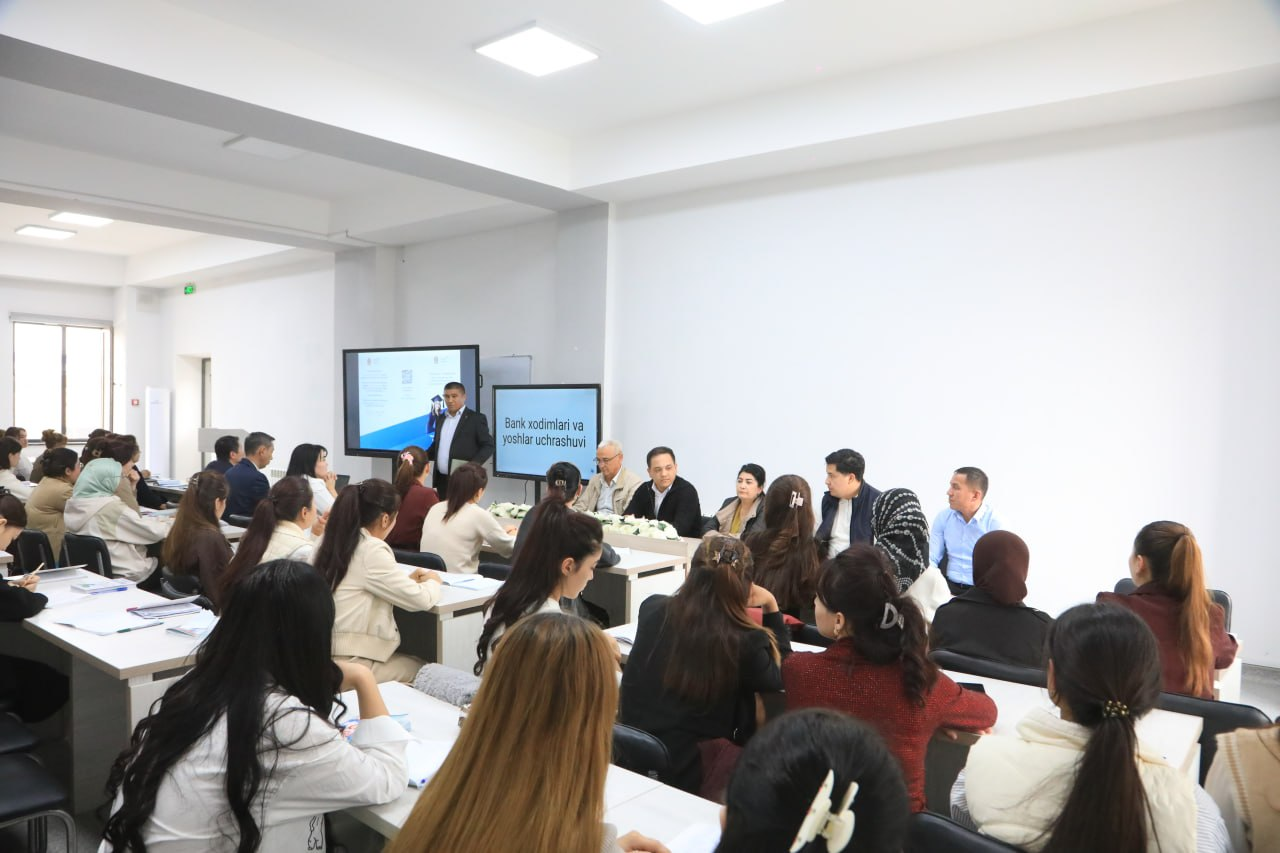
Under the chairmanship of Honorary President Sh. Mirziyoyev, at a video conference meeting on the topic “Measures to increase the efficiency of work in the field of youth policy and further improve the system of working with them,” a completely new system of working with youth, studying youth problems directly in neighborhoods is being created. Based on the tasks assigned to the Termiz State Pedagogical Institute, information was received from 50 young people in need of social protection living in the Sanoatchilik microdistrict of the Denovsky district, and food products were distributed to them.


Qo'shimcha savollar uchun quyidagi raqamlarga qo'ng'iroq qiling:
+998 76 228 77 25 Termiz tumani, “Yangiobod” MFY, At-Termiziy ko‘chasi 1 A-uy